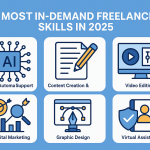
As we move closer to 2026, the job market is evolving faster than ever. Automation, artificial intelligence, remote work culture, and global competition are reshaping what companies expect from talent. Whether you’re actively job searching or planning your long-term career growth, understanding the skills employers value the most will help you stay competitive.
Below are the top in-demand skills in 2026, why they matter, and how you can start building them today.
1. Artificial Intelligence & Automation Literacy
AI isn’t just for programmers anymore. In 2026, every industry—marketing, finance, healthcare, logistics, manufacturing, and even education—will rely heavily on AI-powered tools.
Why it’s valuable
- Companies need employees who can work with AI, not against it.
- Understanding automation improves productivity and decision-making.
- Basic AI literacy helps you stay relevant as roles continue to evolve.
How to build it
- Learn tools like ChatGPT, Midjourney, or automation platforms.
- Take beginner AI or machine learning courses online.
- Practice integrating AI into your daily tasks.
2. Data Analysis & Digital Decision-Making
Data is now the backbone of all business strategies. By 2026, roles that don’t traditionally use data (HR, design, operations, even support teams) will require basic data interpretation skills.
Why it’s valuable
- Companies rely on data to reduce risk and guide decisions.
- Employees who understand data can identify opportunities faster.
- Data skills increase your earning potential significantly.
How to build it
- Learn Excel, Google Sheets, or SQL.
- Practice reading dashboards or reports.
- Explore beginner courses in data analytics.
3. Cybersecurity Awareness
As remote work grows, cyber threats increase. Organizations need people who can help maintain digital safety—even if they aren’t cybersecurity specialists.
Why it’s valuable
- Preventing breaches saves companies millions.
- Cyber awareness is now required across all departments.
- Safe digital practices protect both company and personal data.
How to build it
- Learn best practices for online security.
- Understand phishing, ransomware, and safe password management.
- Take a basic cybersecurity awareness course.
4. Communication & Emotional Intelligence
Ironically, the more technology we use, the more human skills we need. In 2026, communication, empathy, and collaboration will become even more crucial in modern workplaces.
Why it’s valuable
- Teams now work across cultures and time zones.
- Good communicators solve problems faster.
- Emotional intelligence helps build trust and leadership potential.
How to build it
- Practice active listening.
- Take communication or leadership workshops.
- Join group activities that require teamwork.
5. Adaptability & Continuous Learning
Technology changes every year. The ability to learn fast is now more important than knowing everything.
Why it’s valuable
- Companies prefer employees who grow with the company.
- Adaptable workers handle uncertainty better.
- Continuous learning leads to long-term career stability.
How to build it
- Keep your skills updated through online courses.
- Follow industry trends and new technologies.
- Embrace change instead of fearing it.
6. Digital Marketing & Social Media Skills
By 2026, digital presence is everything. Businesses need people who understand how to reach audiences online.
Why it’s valuable
- Every company needs digital visibility.
- Marketing roles have high demand and strong salary growth.
- Social media skills are valuable even in non-marketing roles.
How to build it
- Learn SEO, content marketing, and analytics.
- Practice creating content on various platforms.
- Study successful brands and how they communicate.
7. Remote Collaboration & Tech Tools
Remote and hybrid work are here to stay. Companies want employees who can collaborate effectively from anywhere.
Why it’s valuable
- Reduces communication gaps in distributed teams.
- Improves teamwork and workflow efficiency.
- Helps you thrive in modern work environments.
How to build it
- Master tools like Slack, Zoom, Notion, or Trello.
- Practice managing time and tasks independently.
- Improve digital file organization and meeting etiquette.